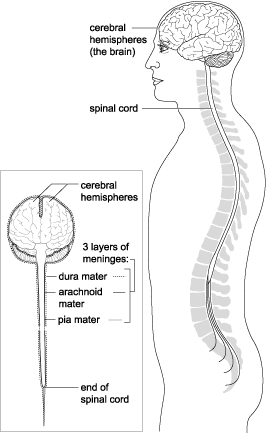
Other symptoms depend
upon where the tumour is located. These may include visual disturbances
(especially double vision), difficulties with speech such as slurring or
inability to name objects, problems with hearing or sense of smell,
drowsiness, problems concentrating, weakness or paralysis in the limbs, or
a change in personality.
TYPES OF BRAIN TUMOUR
The many types of primary brain
tumours are generally named after the type of cell they develop from. They are
graded according to how quickly they grow (low grade is the slowest growing).
The most common types follow:-
Glioma
These grow from glial cells, which support the nerve cells of the brain. Over
half of all primary brain tumours in adults are gliomas.
There are several types of glioma:
-
Astrocytomas – the most common glioma, these develop from star-shaped
cells called astrocytes. Many, but not all, astrocytomas spread throughout the
brain, and often these cannot be cured.
-
Oligodendrogliomas – these gliomas develop in the cells that produce
myelin (the covering for nerve cells). They are similar to astrocytomas in the
way they spread and are unlikely to be completely removed by surgery.
-
Ependymomas – these develop from cells that line the cavities in the brain
and spinal cord (ventricles). Some can be removed by surgery.
Gliomas can also be of mixed origin.
Meningioma
These are usually benign tumours that grow from the membranes (the meninges)
that cover the brain and spinal cord. They are generally slow growing and can be
treated by surgery.
Medulloblastomas
One of the most common malignant brain tumours in children, these develop
from cells left over from the development of the body in the womb.
Acoustic neuromas
These benign tumours develop in the auditory nerve, which controls hearing
and balance. They are more common in women.
Haemangioblastomas
These are very rare and develop from blood vessel cells. They are almost
always benign.
Lymphomas
These are malignant tumours of the lymphatic system, part of the body's
immune system. Primary lymphomas are rare, and are more likely in people with
reduced immunity.
Pineal tumours
These are extremely rare benign tumours which develop from the pineal gland
situated between the two halves of the brain (cerebral hemispheres).
Spinal cord tumours
These develop from the spinal cord.
Germ cell tumours
These develop from egg- or sperm-producing cells that remain in the brain
instead of developing properly.
Pituitary tumours
These develop within the pituitary gland and are nearly always benign. They
can cause disturbances in vision or hormone levels.
The doctor may recommend seeing a
neurologist, a specialist in conditions affecting the nervous system, who may
recommend one of the following tests:
Other tests may include taking a sample
of cerebrospinal fluid from the lower back (a lumbar puncture) or an X-ray of
blood vessels (angiogram) to show the position of the tumour.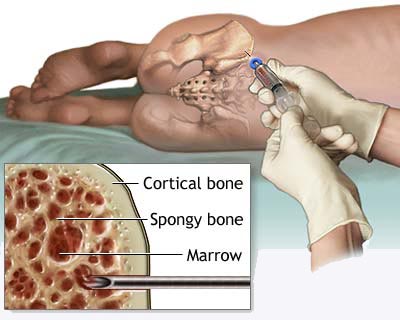
If a brain tumour is suspected and it is
in an accessible position, a biopsy (removal of a small tissue sample) may be
carried out under general anaesthetic. The sample will be examined in the
laboratory to find out what type of tumour it is and how fast it is growing.
This information will determine the course of treatment. Investigations such as
blood tests and X-rays may be carried out to check for other health problems.
Treatments
Surgery, radiotherapy or chemotherapy
are the main treatment options and may be used alone or in combination,
depending on the type of tumour.
Surgery
Surgery is the first treatment option
for most primary brain tumours. As much of the tumour as possible is removed by
making an opening in the skull called a craniotomy. A course of radiotherapy
and/or chemotherapy often follows.Some slow growing tumours may not need
surgery if they are not causing symptoms, and can be carefully monitored
instead.
Radiotherapy
Radiotherapy works by targeting
radiation to damage the cancer cells and prevent them growing. It may be used
before surgery to reduce the size of the tumour, after surgery to kill any
tumour cells that were not removed, or as an alternative to surgery.
Chemotherapy
Chemotherapy uses drugs that attack
cancer cells or prevent them multiplying. It is used alone or in combination
with radiotherapy to treat primary brain tumours that cannot be removed
surgically, or to treat secondary brain tumours. It is usually given as tablets
or by injection.
Other drug treatments
Steroids, such as dexamethasone, are
often given to reduce the swelling caused by brain tumours. They will not remove
the tumour, but should improve the symptoms and may be given before or after
surgery or radiotherapy.Anticonvulsants, such as phenytoin and
carbamazepine, may be given to control epileptic fits.
New treatments
New surgical techniques, lasers, gene
therapy and immune therapy are being researched for treating brain tumours.